Building Workforce Pathways for Fort Worth’s Future
June 24, 2026
Fort Worth Chamber CEO Steve Montgomery Moderates Regional Leaders Discussion at Siemens’ New Advanced Manufacturing Facility.
As Fort Worth continues its rapid growth and economic expansion, one challenge rises to the top for employers, educators, and policymakers alike: ensuring the workforce of tomorrow is prepared for the opportunities being created today.
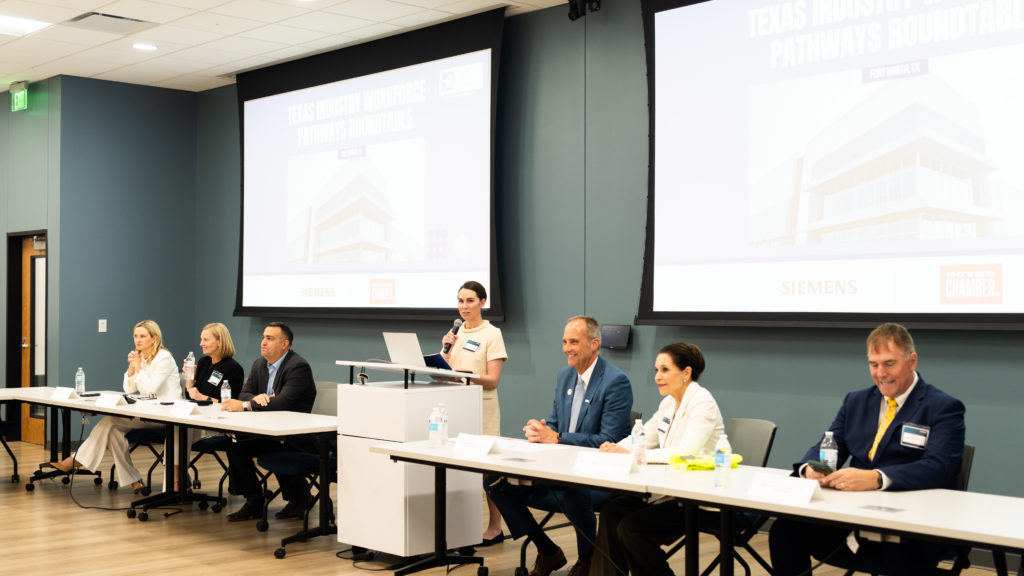
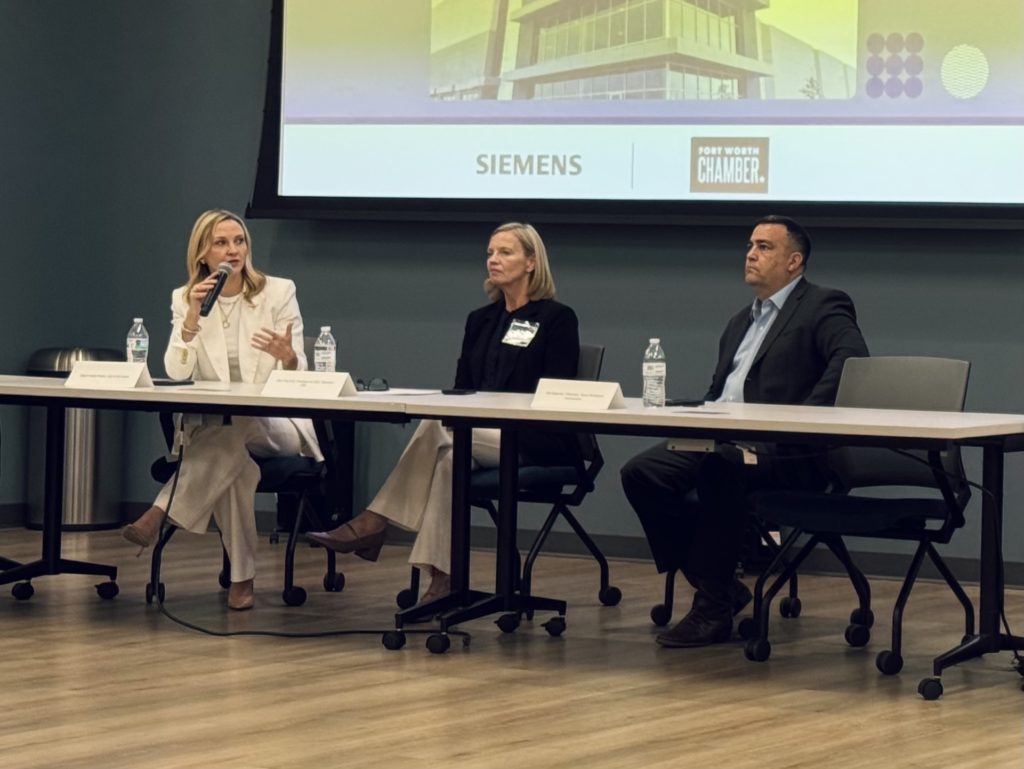
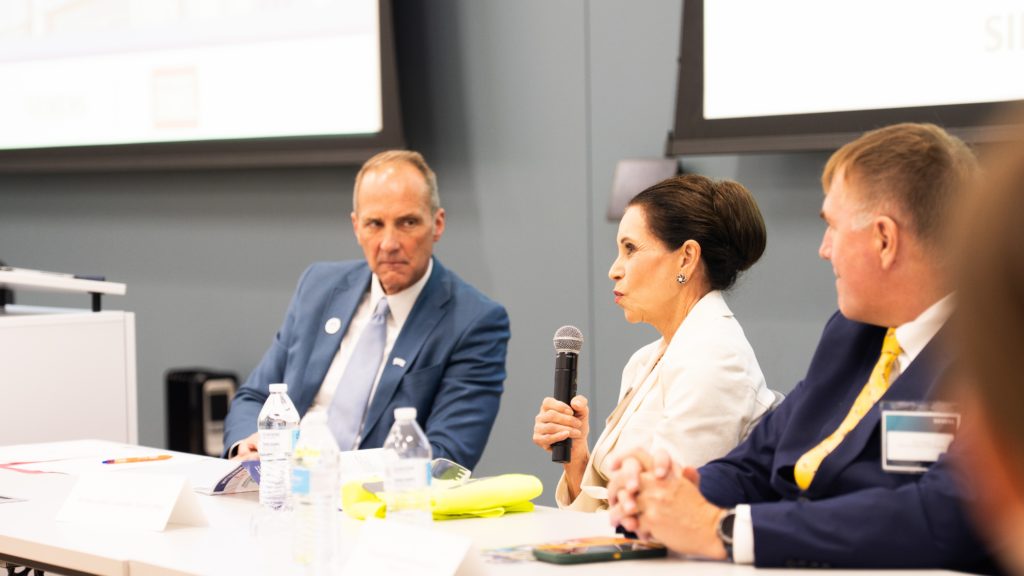
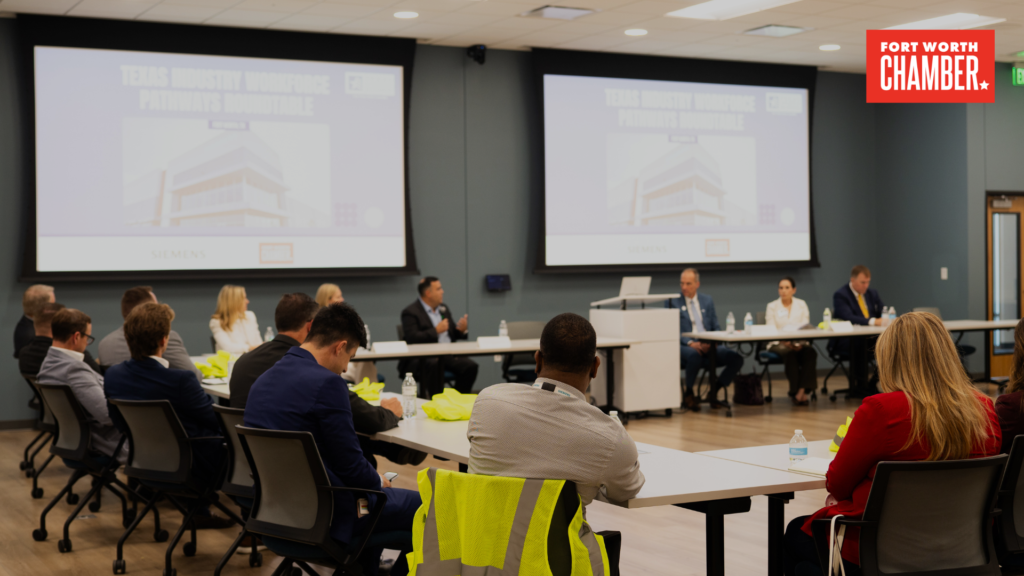
That was the focus of a recent workforce pathways roundtable co-hosted by the Fort Worth Chamber and the Texas Association of Business at Siemens’ newly opened advanced manufacturing facility in Fort Worth’s Carter Industrial Park. Fort Worth Chamber President and CEO Steve Montgomery moderated a conversation that brought together leaders from business, government, and education to discuss how public-private partnerships can strengthen workforce development and create more pathways to economic opportunity.
The panel featured Siemens USA CEO Ann Fairchild, Siemens Electrical Products President Barry Powell, Fort Worth Mayor Mattie Parker, Tarrant County College Chancellor Dr. Elva LeBlanc, and Texas Workforce Commission Chairman Joe Esparza.
For the Fort Worth Chamber, the conversation underscored a core priority: convening the right partners around shared solutions that support talent development, business growth, and long-term economic competitiveness.
Throughout the discussion, panelists emphasized that workforce preparedness cannot be solved by any one organization acting alone. Success depends on collaboration among employers, educational institutions, workforce agencies, and local governments along with a willingness to rethink traditional approaches to education and training.
Chairman Esparza pointed to the roundtable itself as an example of what effective workforce collaboration looks like, highlighting the importance of businesses communicating their future talent needs so educators and workforce providers can respond accordingly.
The setting for the discussion was particularly fitting.
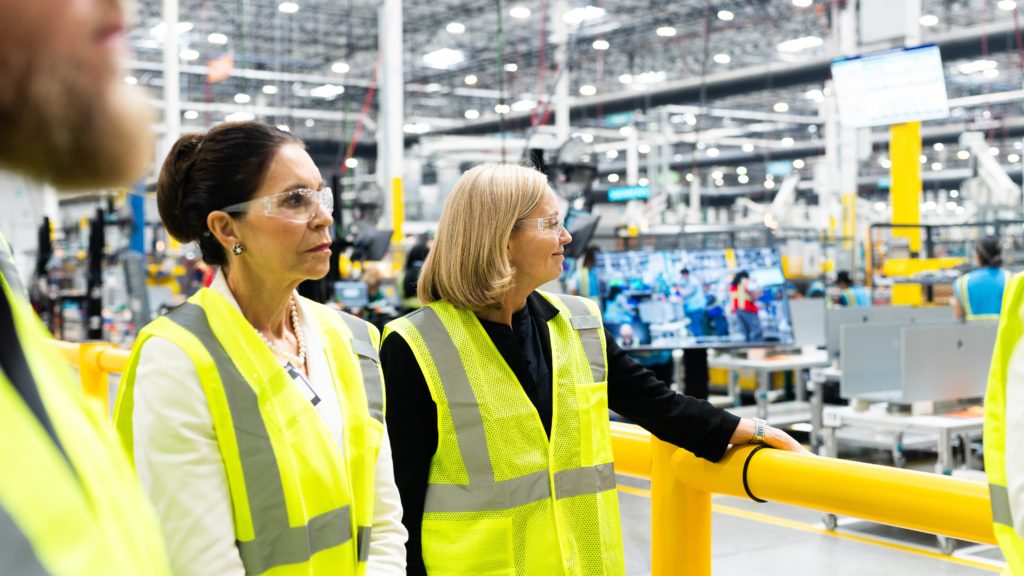
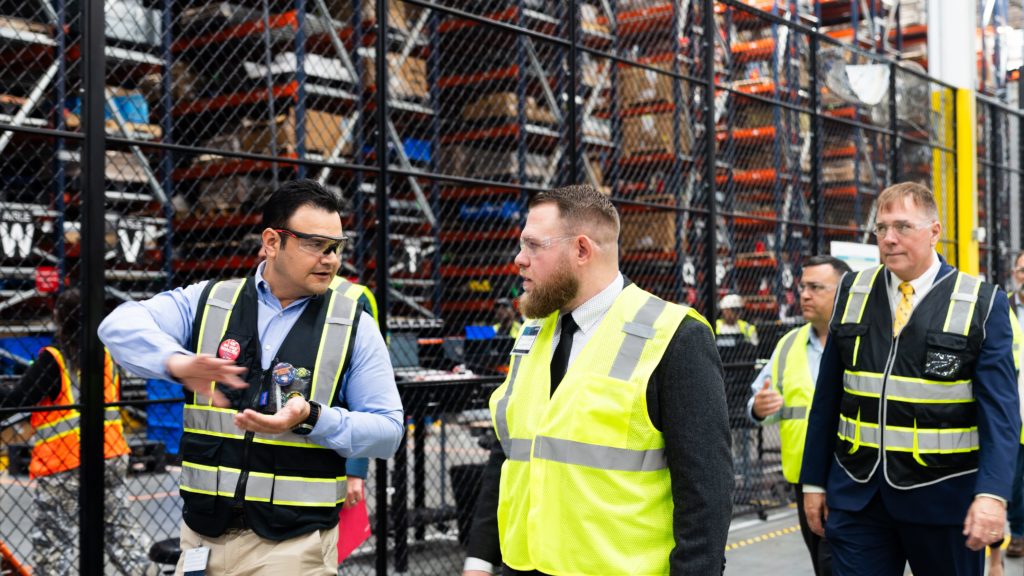
Siemens’ new Fort Worth facility represents a significant investment in advanced manufacturing and serves as an example of how employers can create opportunities for workers from a wide range of backgrounds.
Fairchild shared that many Siemens employees enter manufacturing without prior industry experience. Workers have come from fields including education, food service, marketing, and hospitality and then received the training necessary to build successful careers in advanced manufacturing. She noted that modern manufacturing environments make technical knowledge and skills more accessible than ever before, opening doors for individuals who may not have previously considered careers in the industry.
Looking ahead, Fairchild emphasized that the workforce of 2030 will require a blend of technical expertise and human problem-solving skills, particularly as artificial intelligence becomes more integrated into manufacturing operations. While technology continues to advance, she noted that people will remain essential to managing those innovations. Powell reinforced that instead of replacing workers with automation, Siemens has focused on helping employees develop new skills and move into higher-value roles.
Fort Worth’s Growth Creates Opportunity—and Responsibility
Mayor Parker highlighted the critical role cities play in connecting employers, schools, and workers.
As one of the nation’s fastest-growing large cities, Fort Worth has an opportunity to shape a workforce ecosystem that supports both economic growth and individual success. She pointed to the city's long-standing efforts to bring together business leaders, educators, and workforce partners through initiatives such as the Mayor’s Education and Workforce Roundtable.
Parker also stressed the importance of expanding awareness around career pathways that do not necessarily require a traditional four-year degree. She shared examples of students earning industry credentials while still in high school and moving directly into high-demand, high-wage careers.
Her message echoed a theme heard throughout the discussion: success should be measured by opportunity and outcomes, not by a single educational pathway.
Dr. LeBlanc emphasized the unique role community colleges play in responding quickly to workforce needs.
Tarrant County College currently works with approximately 1,200 business partners across the region to help ensure programs align with employer demand and evolving industry trends. Through partnerships with school districts, universities, and employers, TCC helps students access career pathways ranging from aviation and advanced manufacturing to automotive technology and skilled trades.
LeBlanc also highlighted the growing importance of apprenticeships and other “earn-while-you-learn" opportunities, noting that many students balance education with work and family responsibilities. Expanding these pathways can help more students gain valuable experience while earning a paycheck.
Convening Around Solutions
One of the strongest themes to emerge from the conversation was the importance of bringing people together.
Whether discussing apprenticeships, internships, credential programs, or workforce training, panelists repeatedly returned to the value of relationships and collaboration.
Business leaders need educators to understand emerging workforce demands. Educators need employers willing to provide real-world experiences.Policymakers need input from both groups to create supportive frameworks for growth.
As the leading voice for business in Fort Worth, the Chamber works to connect industry leaders, educators, elected officials, and community partners around solutions that strengthen the region’s talent pipeline. Discussions like this one help ensure that workforce development efforts remain aligned with the needs of both employers and workers.
The conversation at Siemens highlighted an encouraging reality that Fort Worth already has many of the ingredients needed for workforce success. World-class employers, strong educational institutions, engaged public-sector leaders, and a growing population create tremendous opportunities.
The challenge—and opportunity—moving forward is to continue building stronger connections among those partners.
By fostering collaboration, expanding workforce pathways and creating opportunities for people from all backgrounds to succeed, Fort Worth can continue to attract investment, support business growth, and prepare its workforce for the jobs of the future.
That work is already underway, and the Fort Worth Chamber remains committed to helping lead the conversation.
The Fort Worth Chamber has named 14 finalists for the 2026 Small Business of the Year Award presented by Bank of Texas, including five in the Emerging Business category, where the field is normally three. The finalists were selected from 47 applications across four categories: three based on employee count (1–20, 21–50 and 51–150) and […]
Willie Billups, a member of the inaugural Entrepreneurship Through Acquisition Accelerator cohort, acquires Normark of Texas, LLC FORT WORTH, Texas – Tarrant County College (TCC) is celebrating the success of ETA Accelerator alumnus Willie Billups, who successfully acquired Normark of Texas, LLC, a North Texas transportation and logistics company providing first- and final-mile delivery, airport […]